








Be honest: how often do you stand in front of the mirror in the morning wondering whether your hair can go another day without a wash or whether reaching for dry shampoo is the only solution? This uncertainty is completely understandable, because countless pieces of conflicting advice circulate around the subject of hair care.
Some people swear by letting their hair “train itself” and become oily, while others jump straight into the shower at the first sign of shine. However, neither extreme usually delivers the desired result. When we take a closer look at the structure of the scalp and hair lengths, one thing quickly becomes clear: there is no universal rule that works equally well for everyone. Your routine should be as individual as you are.
In this guide, you will learn:
- Why the myth of “training” oily hair often does more harm than good.
- Which washing frequency is perfect for your individual hair type.
- How the right hair-washing technique can take your care routine to the next level.
The Big Myth Check: Is Washing Your Hair Every Day Really Damaging?
Let us clear up the biggest misconception straight away: “Washing your hair every day ruins it.” Today, that statement is simply outdated. Modern shampoos are no longer formulated as aggressively as they were thirty years ago.
If you use a high-quality, gentle shampoo, you can certainly wash your hair every day without immediately damaging it. That does not mean daily washing is ideal for everyone, however. If you use very hot water or reach for a heated styling tool after every wash, it is not the washing itself that harms the hair structure but the mechanical and thermal stress that follows.
Another extremely persistent myth claims that you can train your scalp to produce less sebum by delaying hair washing for weeks. This practice of letting the hair become oily continues to be a popular trend. The truth, however, is that sebum production is largely controlled by hormones, genetics and other internal factors.
You cannot “retrain” your sebaceous glands by washing less often. On the contrary: if you wait too long between washes, sebum, dead skin cells and dirt build up on the scalp. This can clog pores and, in the worst case, lead to irritation, itching or even hair loss.
🔄 Do you struggle with roots that become oily quickly and dry ends?
Discover our most popular products for the perfect balance in the clickandcare online shop – for a long-lasting fresh-hair feeling without compromise.
👉 Discover our scalp products
Your Hair Type Decides: The Ultimate Hair-Washing Schedule
The best way to answer the question “How often should you wash your hair?” is to analyse your own hair type. Every hair texture has different cleansing and moisture needs. Here is a detailed breakdown for the most common hair types.
Fine Hair and an Active Scalp (Every 1 to 2 Days)
Fine hair has one key disadvantage: it lies very close to the scalp. As a result, it absorbs the sebum produced there extremely quickly and soon looks stringy or flat. If you have fine hair, you probably only feel comfortable when you wash it every day or at least every other day.
That is perfectly fine. The only important factor is choosing the right product. Avoid heavy moisturising shampoos that weigh the hair down even more. A volumising shampoo or a gentle cleansing shampoo is the best choice.
Tip: A System Professional shampoo designed specifically for fine hair, such as one from the Volumize range, cleanses thoroughly without putting stress on the delicate structure. It gives the hair the lightness and grip it needs throughout the day.
Dry, Thick and Curly Hair (Every 3 to 5 Days)
If you are blessed with thick or very curly hair, you have a clear advantage when it comes to washing: you need to do it much less often. The natural structure of curls and thick hair prevents sebum from travelling from the scalp down through the lengths as quickly.
Curly hair often looks more defined and less frizzy on the second or third day after washing. A schedule of every three to five days is ideal. Since these hair types are naturally prone to dryness, moisture should be the top priority.
Tip: Make sure you use intensely moisturising products. Shampoos and conditioners containing rich oils seal the cuticle and define the hair's natural texture. Between washes, leave-in conditioners are also an excellent way to keep the ends soft and supple.
Coloured, Bleached and Damaged Hair (No More Than 2 to 3 Times a Week)
Extra care is essential here. Every wash causes the hair to swell slightly. With coloured hair, that inevitably means a small amount of pigment is rinsed out each time. If you want your colour to stay vibrant for longer, try to limit washing to two or three times a week.
Structurally damaged or bleached hair also benefits from less frequent washing. Your scalp's natural oils are the best care elixir for dry ends. When you do wash your hair, use products that are specifically designed to repair damage and protect colour.
Tip: The Goldwell Dualsenses Color range is fantastic for extending colour brilliance while cleansing gently. Do not forget to rebuild damaged structural bonds regularly either. Products such as Olaplex, especially No. 4 and No. 5 during washing, or a K18 mask after washing are absolute game changers. They repair the hair deep within the fibre and help it stay strong despite chemical treatments.
Lifestyle and Environmental Factors: When Everyday Life Plays a Part
Your hair type is not the only factor that determines how often you should step into the shower. Your everyday lifestyle and surroundings are just as important. Anyone who works up a sweat at the gym every day will hardly be able to stick to a rule of washing their hair only every four days.
Sweat is salty and can dry out the scalp over time, so it should ideally be rinsed away. If you exercise frequently, on the days in between it may be enough to rinse your hair thoroughly with clear, lukewarm water and apply just a little conditioner to the ends – a method known as co-washing.
The styling products you use also influence your washing schedule. If you apply lots of hairspray, gel, wax or mousse every day, these products accumulate on the scalp as build-up. This layer needs to be removed thoroughly and regularly; otherwise, the hair becomes dull and can no longer absorb conditioning ingredients effectively. In such cases, more frequent cleansing – including an occasional clarifying shampoo – is essential.
Focus on the Scalp: The True Root of Healthy Hair
When we talk about washing hair, we usually focus on the lengths and ends. In doing so, we often forget the most important part: the scalp. It is quite literally the foundation for healthy hair growth. Your scalp is an extension of the skin on your face and has very similar needs.
Would you leave your face unwashed for two weeks? Probably not. That is exactly why taking the practice of letting hair become oily to extremes is so problematic. A healthy balance in the scalp microbiome is essential.
Problems arise when the scalp's protective acid mantle falls out of balance. Washing too often with harsh surfactants dries out the scalp, which may respond with tightness or increased sebum production. Washing too rarely, on the other hand, can encourage the growth of Malassezia yeast, which may cause flaking and severe itching.
To help you understand how to respond to the signals from your scalp and hair, here is a clear summary of the most common needs:
| Hair Concern | Cause | Recommended Solution/Product |
|---|---|---|
| Roots that become oily quickly | Overactive sebaceous glands, washing too rarely or the wrong shampoo | Clarifying System Professional shampoo |
| Dull, fading colour | Washing too often, hot water or insufficient colour protection | Colour-protecting care from Goldwell Dualsenses |
| Breakage and split ends | Chemical damage or heat styling without protection | Repairing treatments such as Olaplex or K18 |
| Frizz and flyaways | Lack of moisture and a roughened cuticle | Rich leave-in care and moisturising masks |
🔄 Do you struggle with damaged hair that looks dull and breaks easily?
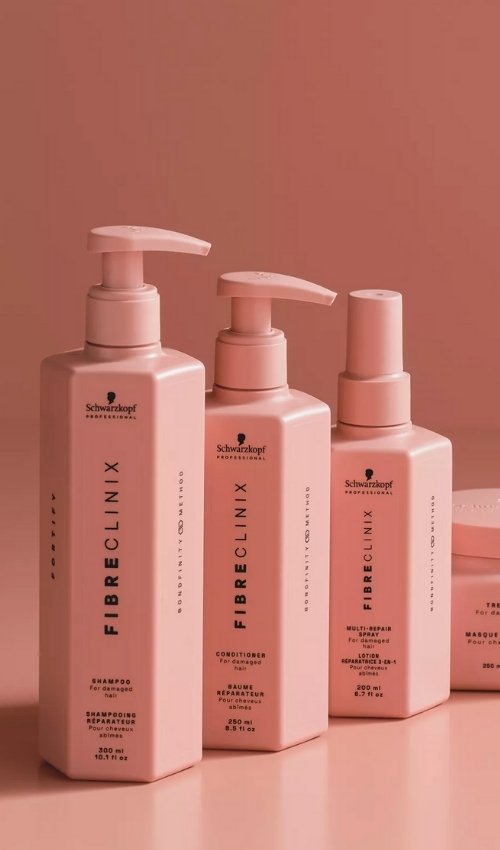
Discover our most popular products for intensive repair in the clickandcare online shop – for visibly healthier, more resilient hair without compromise.
👉 Explore our repair products
Step by Step: The Perfect Salon-Style Hair Wash
It is not only how often you wash your hair that matters, but also how you wash it. By adding professional techniques to your routine, you can significantly improve the condition of your hair and often even extend the time between washes naturally.
Here is the ultimate hair-washing routine that makes a real difference:
- Preparation (pre-shampoo): Brush your hair thoroughly while it is dry before stepping into the shower. This not only removes small tangles but also loosens coarse styling residue and flakes. Wet hair is extremely delicate and stretchy. The less you need to detangle it in the shower, the lower your risk of breakage.
- Choose the right water temperature: Water that is too hot is a common mistake. Although heat opens the hair cuticle and allows conditioning ingredients to penetrate, it also strips a great deal of moisture from the scalp. The scalp dries out and may respond by producing oil even faster. Use comfortably lukewarm water instead. For the final rinse, you can even use cool water – it helps close the cuticle and creates magnificent shine.
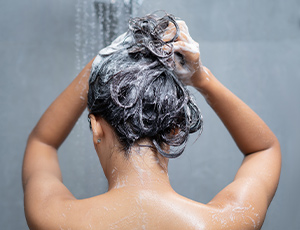
- The secret of double cleansing: Why does a hairstylist always wash your hair twice? The first shampoo removes only surface dirt, sebum and styling residue. The shampoo often hardly lathers during this first wash. Rinse briefly, then use a second, very small amount of shampoo. Only now do you cleanse the scalp thoroughly. Massage the shampoo in with your fingertips – never your nails – using gentle circular movements. There is no need to shampoo the lengths separately; the foam that runs over them as you rinse is entirely sufficient.
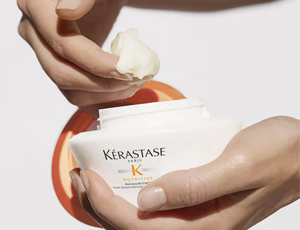
- Conditioner is essential: Shampoo opens and cleanses the hair. A conditioner is essential afterwards to close and seal the cuticle again. Apply conditioner only to the lengths and ends, never to the roots. Otherwise, your hair will immediately look flat and oily again. Once a week, you can replace the conditioner with an intensive hair mask to lock in deep moisture.
- Dry gently: Never rub your hair vigorously with a regular terry towel after washing. The towel's rough surface immediately lifts the wet, delicate cuticle and causes frizz. Gently squeeze out the water instead. A special microfibre towel or even a soft cotton T-shirt is ideal for absorbing excess moisture without unnecessary friction.
SOS Tips Between Washes: How to Delay Your Next Hair Wash
.png?ts=1789128925)
Sometimes there simply is not enough time, or you may deliberately want to give your hair a break from washing. On those days between shampoos, a few clever tricks can help you extend that fresh feeling.
- Apply dry shampoo like a professional: Most people spray on dry shampoo and brush it out again immediately. That is a mistake. Spray it onto the roots from a distance of about 20 centimetres and leave it to work for at least two to three minutes. Only then does the powder have a chance to absorb the oil properly. A great insider tip is to apply dry shampoo before going to bed. It can work overnight, and you wake up with hair that has plenty of grip and volume.
- The power of brush care: When did you last clean your hairbrush? A brush collects dust, dead skin cells, sebum and styling residue. If you run a dirty brush through freshly washed hair, you distribute the old dirt directly back onto the roots. Wash your brushes regularly with a little mild shampoo.
- Use clever hairstyles: Work with the natural progression of your hair between washes. Wear it loose on the first day. On day two, soft waves or half-up hairstyles create volume. Day three is the perfect time for a sleek, elegant bun or beautiful braids. This lets you extend the washing cycle stylishly by one or two days.
- Consider overnight care: Sleep on a silk or satin pillowcase. Unlike cotton, silk does not draw moisture out of the hair, and its smooth surface prevents the lengths from becoming rough and tangled overnight. A lightweight leave-in serum applied to the ends before bed can also work wonders.
Frequently Asked Questions (FAQ)
How Many Times a Week Should You Wash Your Hair?
That depends heavily on your hair type. Fine hair that becomes oily quickly can tolerate three to seven washes a week. Dry, thick or curly hair should be washed only once or twice a week. The important thing is to use a gentle product suited to your individual needs.
Is It Healthy Not to Wash Your Hair for 2 Weeks?
No, this is not healthy for most people. If sebum, dirt and styling products remain on the scalp for too long, they can clog the pores. This may lead to unpleasant itching, severe flaking caused by yeast or even inflammation of the hair follicles.
Why Should You Shampoo Your Hair Twice?
The double-cleansing method is important for a thorough clean. The first wash loosens coarse dirt, dust and sebum. Only the second wash deeply cleanses the scalp and allows the shampoo's conditioning ingredients to work to their full potential.
What Is Goldwell Dualsenses?
Goldwell Dualsenses is a professional hair care range offering salon-quality formulas for different hair needs. The range is especially well known for the colour-protecting properties of its Color line and for its intensely moisturising products, which deliver immediate results and condition the hair deep within the fibre.
Your Path to the Perfect Hair-Washing Schedule
Whatever washing schedule you ultimately choose, a healthy scalp and the right hair care products are always the foundation for beautifully glossy, strong hair. Free yourself from rigid myths and other people's supposed “rules”. Instead, listen to the signals from your own body, analyse your hair type and adapt your routine flexibly to your daily life. It is a process, but once you find your ideal balance, your hair will reward you with fantastic bounce and radiance. If you love your hair and want to give it only the best, you can conveniently find all the brands and professional hair care products mentioned here in the Swiss clickandcare online shop.
