








Do you know the feeling? You are standing in the shower, washing your hair, when suddenly it seems as though you are holding far too many strands in your hands. Or you look in the mirror and realise that your once strong hair has lost its shine, volume and vitality. As a hairdresser, I hear these concerns every day in the salon. It often breaks my heart to see how much our hair can affect us when it refuses to behave the way we want it to.
We quickly reach for new shampoos or masks. That is a great first step. But the real magic often happens not only on the outside, but deep within the body. True hair health begins at the root. This is exactly where vitamins, minerals and targeted hair supplements come into play.
In this article, you will learn:
- Which vitamins and nutrients your hair really needs to grow healthily.
- How to distinguish effective hair supplements from empty promises.
- Why combining vitamins from within with scalp serums applied externally is the ultimate secret.
Let us take a closer look at the world of nutrients. We will explore which hair vitamins really make a difference, how you can tackle hair loss from within and what to consider in your haircare routine. Make yourself comfortable. It is time to begin your ultimate guide to healthy hair.
The Big Hair Check: Why Hair Can Be Starved from Within
To understand why vitamins are so incredibly important for our hair, we first need to take a quick look at the biology. Our hair follicles contain some of the most actively dividing cells in the entire human body. This means they work around the clock at full speed to produce new hair.
The body needs a huge amount of energy and building materials for this constant work. The problem, however, lies in our clever but sometimes rather strict organism. From an evolutionary perspective, hair is not essential to our survival. So if you are under stress, follow an unbalanced diet or have even a small nutrient deficiency, the body is quick to divert energy away from the hair.
Those valuable nutrients are sent instead to vital organs such as the heart, brain and lungs. Your hair is literally put on a diet. We then see the effects in the mirror several weeks or months later: the hair becomes dull, breaks or, in the worst case, begins to shed more heavily.
A balanced diet is therefore the absolute foundation of healthy hair. Without that foundation, even the best and most expensive haircare products will eventually reach their limits. But which nutrients are the true game changers?
Which Vitamins for Hair Are Really Essential?
If you are wondering which hair vitamins are best, you will quickly find yourself in a jungle of unfamiliar terms. Let us clear things up and take a close look at the most important vitamins.
Biotin (Vitamin B7): The Celebrated Superstar
Biotin is probably the best-known vitamin when it comes to skin and hair. It contributes significantly to the maintenance of normal hair and is essential for producing keratin, the main component of our hair structure.
Without enough biotin, hair can become brittle and lose strength. Although a genuine biotin deficiency is relatively rare in our part of the world, stress, an unhealthy diet or illness can increase the body's needs.
- Benefit: Supports keratin production and helps maintain a strong hair structure.
- Natural sources: Eggs, nuts, oats, soybeans and mushrooms.
- When it may be useful: For brittle, lacklustre hair and as general support for stronger-looking hair.
Vitamin C: The Ultimate Collagen Booster
Most people know vitamin C only as an immune-system booster during cold and flu season. For our hair, however, it is an indispensable bodyguard. Vitamin C is one of the most effective antioxidants and helps protect our cells from oxidative stress caused by free radicals.
Free radicals can slow hair growth and damage the hair structure. Vitamin C is also essential for the body to produce collagen. Collagen is an important part of the hair structure and strengthens the connective tissue of the scalp. In addition, vitamin C helps the body absorb iron from food more effectively.
- Benefit: Protects against free radicals, supports collagen production and improves iron absorption.
- Natural sources: Citrus fruits, peppers, broccoli, berries and kiwi fruit.
- When it may be useful: If you want to protect your hair from environmental influences and are also taking iron supplements.
🔄 Is your hair damaged and are you longing for strong, healthy-looking shine again?
Discover our most popular strengthening products in the clickandcare online shop for healthy-looking hair without compromise.
👉 Explore hair strengthening products
Vitamin D: The Sunshine Vitamin for Hair Follicles

Vitamin D deficiency is extremely common, especially during the darker winter months. What many people do not know is that this vitamin plays a very important role in hair growth. Vitamin D is directly involved in the creation of new hair follicles.
When this vitamin is lacking, follicles can shrink and hair growth may slow down. Many of my clients who complain of diffuse hair loss in winter actually have an undetected deficiency of this important sunshine vitamin.
- Benefit: Supports the formation of new hair follicles and healthy cell growth.
- Natural sources: Oily fish such as salmon and mackerel, egg yolk and mushrooms. Most vitamin D is produced when sunlight reaches the skin.
- When it may be useful: For seasonal hair loss, especially during autumn and winter.
The B-Complex Vitamins (B3, B5, B6 and B12): The Energy Providers
B vitamins work best as a team. They are essential energy providers for our cells. Vitamin B3, or niacin, and vitamin B5, or pantothenic acid, support blood flow to the scalp. This allows more oxygen and nutrients to reach the hair roots directly.
Vitamins B6 and B12 are essential for the formation of red blood cells. These small transporters carry vital oxygen to the hair follicles. A B12 deficiency, which often occurs with a vegan diet when no suitable supplement is taken, frequently leads to weak hair and hair loss.
- Benefit: Support blood flow to the scalp, promote cellular metabolism and help maintain the oxygen supply.
- Natural sources: Whole grains, meat, fish, dairy products and green leafy vegetables.
- When they may be useful: For thinning hair, fatigue and vegetarian or vegan diets.
Vitamins A and E: A Protective Shield for the Scalp
Healthy hair needs a healthy foundation. This is where vitamins A and E come into play. Vitamin A is needed so that skin cells can produce sebum. This oil is the body's natural conditioner and helps keep the scalp supple.
Like vitamin C, vitamin E is a powerful antioxidant. It protects the delicate scalp from oxidative stress and helps maintain the skin's protective barrier. A healthy scalp with good blood flow is the foundation for beautiful hair.
- Benefit: Help regulate sebum production and protect scalp cells.
- Natural sources: Sweet potatoes and carrots for vitamin A, plus almonds, sunflower seeds and spinach for vitamin E.
- When they may be useful: For a very dry, flaky scalp or extremely brittle hair.
Minerals and Trace Elements: The Unsung Heroes
Alongside vitamins, we must never forget minerals. They are the unsung heroes working in the background and are just as important for a full head of hair. Without them, vitamins often cannot do their job properly.
Iron: The Oxygen Carrier
Iron deficiency is one of the most common causes of diffuse hair loss, especially in women. Iron is needed to produce haemoglobin, which transports oxygen in the blood. Without enough oxygen, the hair follicles immediately reduce their activity.
If you continue to lose a lot of hair despite using excellent haircare products, you should ask your doctor to check your ferritin level, which reflects your iron stores. No shampoo in the world can correct a deficiency from the outside.
Zinc and Selenium: For Strong Hair Roots
Zinc contributes to the maintenance of normal hair and plays an important role in cell division and the growth of hair tissue. It also supports the sebaceous glands around the hair follicles. Zinc deficiency often shows up as hair loss and dandruff.
Selenium is equally important. It not only protects the body from oxidative damage, but is also involved in the production of thyroid hormones. Because the thyroid plays a major role in regulating hair growth, selenium is essential for healthy, normal hair growth.
Omega-3 Fatty Acids: Moisture from Within
Although omega-3 fatty acids are not traditional vitamins or minerals, they deserve a place on this list. They nourish the hair from within, help hydrate the scalp and may reduce inflammation.
High-quality omega-3 supplements can make a noticeable difference, particularly for an itchy, dry scalp and dull hair. They help the hair remain supple and reduce its tendency to break.
Hair Supplements: How to Recognise Quality
The market for hair vitamins, gummies and capsules is enormous. Colourful packaging often promises overnight miracles. As a professional, however, I have to be honest with you: hair grows by around one to one and a half centimetres per month. No supplement in the world can override this biological process.
Hair supplements can only deliver results if you take them consistently for at least three to six months. Only then can the body build up its nutrient stores and the benefits become visible in newly growing hair.
Pay close attention to the formula and bioavailability when choosing a product. Cheap supplements often use compounds that our digestive system can barely absorb. You are then quite literally flushing your money down the toilet. A good B-complex supplement, high-quality zinc and well-absorbed organic compounds are key.
You should also make sure that the capsule or powder is not packed with unnecessary fillers, excessive sugar, as is often the case with hair gummies, or artificial colourings. Choose pure, high-quality ingredients.
🔄 Are you struggling with hair loss and longing for fuller-looking hair?
Discover our most popular hair growth products in the clickandcare online shop for visibly greater density without compromise.
👉 Explore care for fuller-looking hair
Vitamins for Hair Loss: What Works and What Is a Myth?
When your hairbrush is full of strands in the morning, panic can quickly set in. Many people then desperately search for the perfect vitamins for hair loss. But it is important to distinguish between different types, because not all hair loss is the same.
In hereditary, or androgenetic, hair loss, vitamins can often only soften the effects rather than stop the process completely. Hormones are usually responsible. A targeted supply of nutrients can nevertheless help the remaining hair grow as strongly and healthily as possible.
Diffuse hair loss, which affects the entire scalp, is different. It is often caused by poor nutrition, extreme stress, illness or hormonal fluctuations, such as those following pregnancy. In these cases, targeted supplements such as zinc, iron, biotin and vitamin D can provide valuable support.
Checklist: How to Tackle the Problem Strategically
To keep you from taking random pills without a plan, this is the approach I always recommend in the salon:
- Observe: Are you losing hair across your entire scalp or only in specific areas, such as the temples or parting?
- Review your lifestyle: Have you experienced extreme stress, followed a strict diet or been ill in the past 3-4 months?
- Get blood tests: Ask your doctor for a comprehensive blood test. Important markers include iron stores or ferritin, zinc, vitamin D, vitamin B12 and thyroid values.
- Supplement selectively: Correct confirmed deficiencies with high-quality supplements instead of blindly overdosing on combination products.
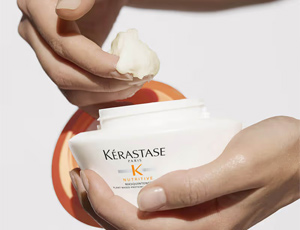
- Adapt your haircare: Protect weakened hair externally with gentle shampoos and strengthening treatments from brands such as Olaplex or K18, which help repair broken bonds within the hair.
The Hair Rescue Table: Find Your Ideal Routine
To give you a quick, reliable overview, I have summarised the most common concerns and their holistic solutions in this simple table.
| Hair concern | Possible internal cause or deficiency | Recommended solution or product approach |
|---|---|---|
| Hair breakage and brittle hair | Biotin (B7), omega-3 or protein deficiency | A high-quality B-complex supplement and the K18 Leave-in Molecular Repair Hair Mask for external repair. |
| Diffuse hair loss | Iron, vitamin D, zinc, B12 or stress | Blood tests from your doctor, targeted supplements and soothing scalp serums that support the scalp externally. |
| Dry, itchy scalp | Vitamin A, vitamin E or omega-3 | Omega-3 capsules and hydrating scalp serums, for example with hyaluronic acid or aloe vera. |
| Dull, lacklustre hair | Vitamin C, oxidative stress or B vitamins | A diet rich in antioxidants and Olaplex No. 7 Bonding Oil for external shine and protection. |
| Slow hair growth | General nutrient deficiency or poor circulation | A balanced diet and daily scalp massages with stimulating scalp serums, for example with caffeine. |
Support from the Outside: Why Scalp Serums Are the Perfect Match
We have now looked in detail at the importance of nutrition and the right supply of vitamins from within. But we can also give the hair follicles a powerful boost from the outside. This is where scalp serums come in, and their enormous popularity in recent years is fully justified.
The scalp is simply an extension of the skin on our face. While we pamper our face every day with toners, serums and creams, the scalp is often badly neglected. A good scalp serum delivers concentrated active ingredients exactly where they are needed: directly to the hair roots.
What Do Scalp Serums Really Do?
Scalp serums can perform a variety of tasks. Some focus on hydration and soothing. They contain ingredients such as panthenol, or vitamin B5, niacinamide or hyaluronic acid to bring an irritated, flaky scalp back into balance. After all, a healthy plant can only grow in healthy soil.
Other serums specifically target hair growth and hair loss. These products often use stimulating ingredients such as caffeine, rosemary oil or specialised peptide complexes. They support local blood flow, helping the nutrients in your blood, absorbed through vitamins and food, reach the follicles more effectively.
It is the perfect combination: you supply the building materials from within through a balanced diet and supplements, while the serum supports circulation from the outside so those building materials can reach their destination.
Step-by-Step Guide: How to Apply Scalp Serums Correctly
Correct application is essential if a scalp serum is to deliver its full benefits. Simply adding a few drops and calling it done is not enough. Turn the process into a small spa ritual for yourself:
- Prepare properly: Apply the serum to a towel-dried scalp after washing your hair. The skin is then slightly softened and particularly receptive. Alternatively, many serums can be applied to a dry scalp in the evening before bed.
- Create sections: Use a tail comb or your fingers to make neat partings. Work from ear to ear and from the hairline at the forehead towards the nape of the neck.
- Use it sparingly: Apply the serum directly to the scalp along each parting. Less is often more, so do not drench your scalp.
- Massage thoroughly, the most important step: Use your fingertips, not your fingernails, to massage the serum in with gentle circular motions for around 3 to 5 minutes. This massage strongly stimulates microcirculation and helps the active ingredients absorb effectively.
- Do not rinse: Leave the serum on the scalp as a leave-in product. You can then blow-dry your hair or allow it to air-dry as usual.
🔄 Do you dream of a healthy scalp where strong hair can grow?
Discover our most popular scalp-care products in the clickandcare online shop for a fresh, balanced feeling without compromise.
👉 Explore intensive scalp care
A Holistic Approach: Your New Haircare Routine
To get the best from your hair, I recommend taking a holistic approach. Let go of the idea that a single pill or shampoo can solve every problem immediately. Consistency is what makes the difference.
Start your day with a healthy, protein-rich breakfast. Include foods that are rich in the most important vitamins for hair. If you know that your diet has gaps, always take high-quality hair supplements with a meal. Many vitamins and minerals are absorbed far more effectively by the body when eaten with a little dietary fat.
Adapt your washing routine at the same time. Use gentle shampoos that do not dry out the scalp. Treat your lengths regularly with intensive care to help prevent hair breakage. Products such as K18 or Olaplex help strengthen the internal structure of hair that has already grown, while you work from within to support new hair.
Finally, reduce stress. I know that is easier said than done. But oxidative stress and the stress hormone cortisol are among the greatest enemies of healthy hair growth. Take regular breaks, enjoy a relaxing evening scalp massage with a good serum and breathe deeply. Your hair will thank you.
The Patience Rule: Why You Need to Keep Going
At the end of this in-depth guide, I want to share one of the most important pieces of salon advice: be patient with yourself and your hair. Hair roots work in cycles. These include the growth phase, or anagen phase, the transition phase, or catagen phase, and the resting phase, or telogen phase.
When hair falls out because of a deficiency or stress, it has often already spent several months in the resting phase. If you now begin taking vitamins, improve your diet and use scalp serums, you will not save a strand that was already in the shedding phase.
Instead, you are building the foundation for a new generation of hair. It can easily take 12 to 16 weeks before these new, stronger hairs emerge from the scalp and become visible. So keep going. Anyone who stops taking vitamins after four weeks because "nothing has happened yet" deprives themselves of the chance to see future results.
Frequently Asked Questions (FAQ)
What Is the Most Important Vitamin for Hair?
There is no single "most important" vitamin. Healthy hair depends on several nutrients working together. Biotin, or vitamin B7, is extremely important for keratin production, vitamin D supports follicle formation and vitamin C protects against oxidative stress. Only a balanced combination supports healthy hair.
How Long Does It Take for Biotin or Other Vitamins to Work for Hair Loss?
You need plenty of patience. Because hair grows by only around 1 to 1.5 centimetres per month and the hair cycle first needs time to adjust, the first visible results from supplements generally appear after three to six months of consistent use at the earliest.
What Does a Scalp Serum Really Do?
A scalp serum cares for the skin from which the hair grows. Depending on its ingredients, it can provide intensive hydration, soothe itching or stimulate local blood flow, for example through caffeine or rosemary, thereby supporting natural hair growth from the outside.
Do Hair Vitamins Really Support Hair Growth?
Yes, but only when a nutrient deficiency is actually present. Anyone who already has an optimal nutrient intake will not experience faster hair growth simply by taking extra vitamins. If there is a deficiency, for example in iron, zinc or B vitamins, high-quality supplements can significantly improve hair growth and help stop deficiency-related hair loss.
Conclusion
Healthy, strong hair is not a matter of chance. It is the result of care, patience and the right supply of nutrients. Once you understand which vitamins for hair really matter, you can address concerns such as breakage, dull lengths or diffuse hair loss far more effectively. Do not be misled by quick marketing promises. Instead, rely on a genuinely holistic strategy. Nourish your body from within with a balanced diet and high-quality nutrients such as biotin, vitamin D and zinc, and look after your digestive health to support optimal absorption. Care for your hair externally with gentle washing routines, intensive treatments for the hair structure and stimulating scalp serums. It is a process, but believe me, the journey towards your dream hair is worth it. If you are ready to take your haircare routine to the next level, you can find all the right products for your hair project online. Discover all the brands and care products mentioned in the Swiss clickandcare online shop and start your journey towards healthier hair today.
